SK hynix Did Not Win HBM in 2023. It Won It in 2013.

Card reading Twelve years, five generations, on how SK hynix built its HBM lead and who says it is one, from korea-stock-guide.com

SK hynix approved about 54 trillion won for two new fabs on 7 August 2026, and it targets the clean rooms for December 2028 and June 2029, which means the money does nothing for the HBM4 ramp the company puts in the second half of this year. The lead it is defending is twelve years old: the first HBM in 2013, a through-silicon via part with AMD in 2014, HBM2E in 2020, HBM3 into Nvidia systems from the third quarter of 2022, HBM4 declared complete in September 2025. Every one of those dates comes from the company own newsroom, which is the right source for what shipped and the wrong source for what came first. We mark the two ranking claims we will not print.
K-Pop Stocks in 2026: HYBE, Dear U and Who Earns More

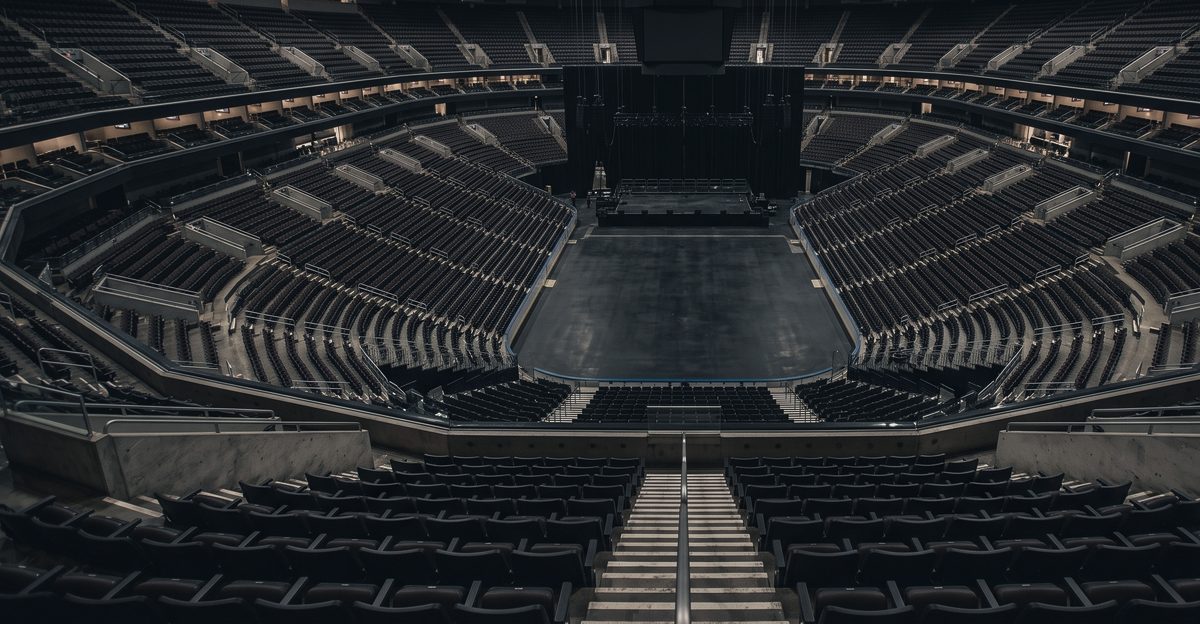
An empty arena seen from the upper tier, rows of seats facing a bare stage floor, illustrating where the earnings in Korean entertainment stocks actually come from, from korea-stock-guide.com

HYBE filed its largest first quarter on record after BTS released ARIRANG on 20 March 2026, with album revenue up 98.9 per cent and concert revenue down 42.8 per cent in the same three months. That split is the whole problem with owning an agency: the money arrives when an album lands and waits when a tour has not started. One layer down, Dear U sells a monthly subscription to hear from an artist and ran a 33.3 per cent operating margin in 2024 against HYBE 8.4 per cent in its record quarter. We set the sourced figures against the ones circulating without a filing behind them, and mark the two we refuse to print.

Korea ETFs and SK hynix on Nasdaq: No KRX Account

Card reading No KRX account, two funds one ADR, on holding Korean equity risk from a US account, from korea-stock-guide.com

You do not need a Korean brokerage account to hold Korean equity risk. Two funds listed in New York do the work: iShares MSCI South Korea, which charges 0.59 per cent a year, and Franklin FTSE South Korea, which charges 0.09 for an index built much the same way. One company is a genuine exception, because SK hynix listed American depositary receipts on Nasdaq under SKHY, while the SSNLF ticker people find for Samsung Electronics is an unsponsored over-the-counter receipt the company never arranged. We set out what each fund holds, why both are closer to a semiconductor bet than a country bet, and the two things the shortcut takes away for good.

Korea Listed Single-Stock Leverage ETFs, Then Restricted Them

Card reading Listed in May, curbed in July, on what Korea changed after the single-stock leverage launch, from korea-stock-guide.com

Korea listed sixteen single-stock leverage funds and two notes on 27 May 2026, doubling the daily move in Samsung Electronics and SK hynix, and eight weeks later suspended new listings of the whole class. The Financial Services Commission had already published the risk: a 60 per cent loss in one session, and a worked example showing a doubled holder down 36 per cent where an ordinary holder is down 9. What changed between May and July was scale, with the class growing from 4.4 to 11.9 trillion won while the two stocks reached 52 per cent of the KOSPI. We set the 16 July package against the launch notice, and mark which figures behind it carry a named official source and which carry none.

Solidigm IPO 2026: Where SK hynix’s Listing Plan Stands

Card reading SK hynix listed, Solidigm has not, what SK hynix confirmed and what it did not, from korea-stock-guide.com

SK hynix told the Korea Exchange on 5 August 2026 that Solidigm is reviewing options and that nothing has been finalised, after reporting said the American subsidiary was raising money ahead of a Nasdaq listing. The parent has already listed: ADRs priced at 149 dollars on 9 July, raised 26.5 billion dollars, and have traded under SKHY since the following morning. The subsidiary has not, and the one checkable signal behind the rumour is a job advertisement that serves bond issuance just as well as an IPO. We separate what the filing confirms from what only unnamed banking sources have said, and mark the date the company bound itself to.

How to Buy Korean Stocks on Interactive Brokers

Card reading Access in a day, relief is a form, on buying Korean stocks direct through Interactive Brokers, from korea-stock-guide.com

Interactive Brokers opened direct Korea Exchange trading in May 2026, and the account side is genuinely easy: an existing client switches on a permission, and most new applications clear within a business day. The part nobody mentions is that your dividend rate turns on a Korean application form, that the W-8BEN you signed does nothing about it, and that we could not establish whether the broker lodges it for you. We set out the costs, the fund trap the route opens for American holders, and the question to put in writing before your first dividend.

What Is the Korea Discount?

Card reading Half the multiple, three causes, on what the Korea discount measures and where the measure misleads, from korea-stock-guide.com

Korean equities trade at 52 per cent of the developed-market price-to-book ratio, and that figure comes from the Korean government rather than from a foreign broker. The Financial Services Commission also published its own three causes: governance, industrial structure and weak shareholder returns. We set out what a comparison across 45 countries and 32,000 companies actually measures, why one of the three official causes is also a defect in the measuring instrument, and what would have to happen before anyone could call the discount closed.

Measuring the Korea Discount as It Narrows

Card reading Cheaper in 2021, dearer in 2026, on what the Value-up evidence settles about the Korea discount, from korea-stock-guide.com

Companies that filed Value-up plans traded at 1.4 times book at the end of 2021, against 1.7 for companies that never filed. By the first quarter of 2026 the filers stood at 1.9 and the non-filers at 1.5, which is the wrong shape for a self-selection story. Returns to shareholders reached 92.4 trillion won in one year and the National Pension Service cut its offshore weighting for the first time in two decades. We set out what that evidence settles, and the market-wide re-rating it still does not.

DART in English: How to Read Korean Company Filings

Card reading Filings in English, numbers in Korean, on which regulator owns the document you are trying to read, from korea-stock-guide.com

Mandatory English disclosure reaches 265 Korean companies from May 2026 and 848 from March 2027, and yet many English filings on DART carry no figures at all. The Financial Supervisory Service publishes them voluntarily, disclaims responsibility for the contents, and points readers to KIND, the Korea Exchange system, for the original. We set out which regulator owns which filing, what the English page reliably tells you, and how to reach the document you actually want.

The Korea Selloff of July 2026: Why Samsung and SK hynix Fell on a Record Quarter

A city skyline under heavy storm cloud seen across grey water, illustrating the July 2026 selloff in Korean shares on a record quarter, from korea-stock-guide.com

SK hynix filed a 76 per cent operating margin for the second quarter of 2026 and the shares fell anyway. The Financial Supervisory Service documents margin loans at 37.3 trillion won and forced liquidations up more than sevenfold, so the selling has a mechanism that earnings are not part of. We also set out the one piece of confirmed damage that cuts against the case, and the connection we could not evidence.